
New Era of
HSM Technology
From Thales
Upholding the next generation of digital trust
Why HSMs Are Critical for the Modern Era
HSMs are essential to building digital trust, protecting business critical assets such as data, applications, and identities. Growing risks from quantum, AI, evolving regulations, and operational demands are redefining what organizations need to create trust. Modern HSMs must deliver quantum-resistant, crypto-agile security, along with the performance and scalability required.
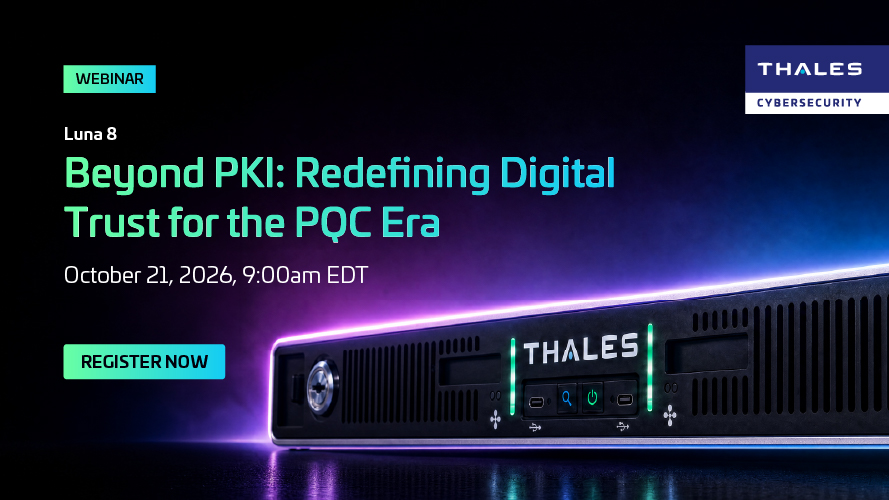
Hear from ABI Research on the Future of HSMs
“Integration, automation and scalability are increasingly important considerations for organizations modernizing their cryptographic infrastructure,” said Michela Menting, Vice President, Research, at ABI Research. “Luna 8 combines support for post-quantum cryptography with the flexibility organizations need to adapt as security requirements continue to evolve.”
Join Michela Menting in this exclusive Product Showcase to understand why HSMs are becoming increasingly critical as organizations prepare for post-quantum cryptography, AI-driven workloads and evolving regulatory requirements.
Introducing Luna 8:
Built to Answer Evolving
Needs of Our HSM Customers

It's
Fast
Our fastest HSM yet for both traditional and PQC algorithms

It's
Scalable
Multi-Tenant & multiple versions of firmware, with increased key capacity of
15× Luna HSMs per crypto module

It's
Secure
Quantum-safe algorithms, entropy, updates, and protocols with side channel protection

It's
Crypto Agile
Simple to update with new algorithms & easy to add new capabilities as requirements evolve
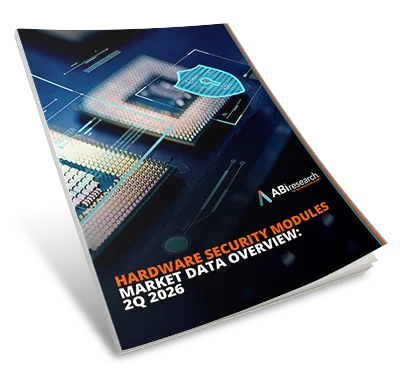
Download the ABI Research HSM
Market Overview Report
Discover the latest trends shaping the Hardware Security Module (HSM) market, including sovereignty, post-quantum cryptography (PQC), AI security, certification requirements, and global market leadership.
Quantum-Safe Against Evolving Threats

High Performance & Throughput
Native PQC support with high throughput and low latency for cryptographic operations, with a scalable, crypto-agile architecture

Safe Against Post-Quantum Threats
All mechanisms to secure the HSM are quantum-safe including warranting, secure channel and storage

Aligned with New PQC Algorithms & Security Standards
Thales designed crypto processor
optimized for crypto performance and updatable to for future flexibility
HSM Vendor Comparison Scorecard
(At-A-Glance)
Use this scorecard as a side-by-side framework for comparing HSM vendors across the criteria that matter most.
Category
What to Look For
Red Flags
1. Key Protection & Root of Trust
✔ Keys generated with high-quality entropy, protected in hardware by default, with no exposure outside the HSM, strong tamper and side channel resistance, and secure audit logging
✘ Keys exposed to host memory or software controls, weak entropy, sensitive operations outside the HSM, limited attack resistance, incomplete or mutable audit trails
2. Crypto Agility & Quantum-Safe
✔ PQC-ready architecture, hybrid cryptographic support, firmware upgradable algorithms
✘ PQC treated as a roadmap add-on, with no credible path to adopting new cryptographic standards
3. Certifications & Sovereignty
✔ FIPS 140-3, global compliance, and clear sovereignty controls across deployments
✘ Certifications claims are unclear, outdated, or don’t cover the evaluated product or deployment
4. Deployment Flexibility
✔ On-premises, cloud, and hybrid deployment with consistent APIs and controls
✘ Separate products by environment or re-architecture required
5. PQC Performance & Scalability
✔ High throughput, predictable latency, and scalability for PQC-era workloads
✘ Performance degradation under load or during computationally intensive cryptographic operations such as PQC
Built on decades of Thales expertise, Luna 8 is designed to meet the world's highest security certification standards while delivering industry-leading performance, including accelerated support for post-quantum cryptography.
Luna 8:
Powered by the Thales Designed
Crypto Processor

Tailored to our proven security & performance specifications
Side channel protection for highest level of security
220 isolated crypto engines per HSM for multi-tenant architecture

Ideal for high-performance use cases & multi-tenancy

Aligned with new PQC algos to remain crypto agile

High quality entropy sources
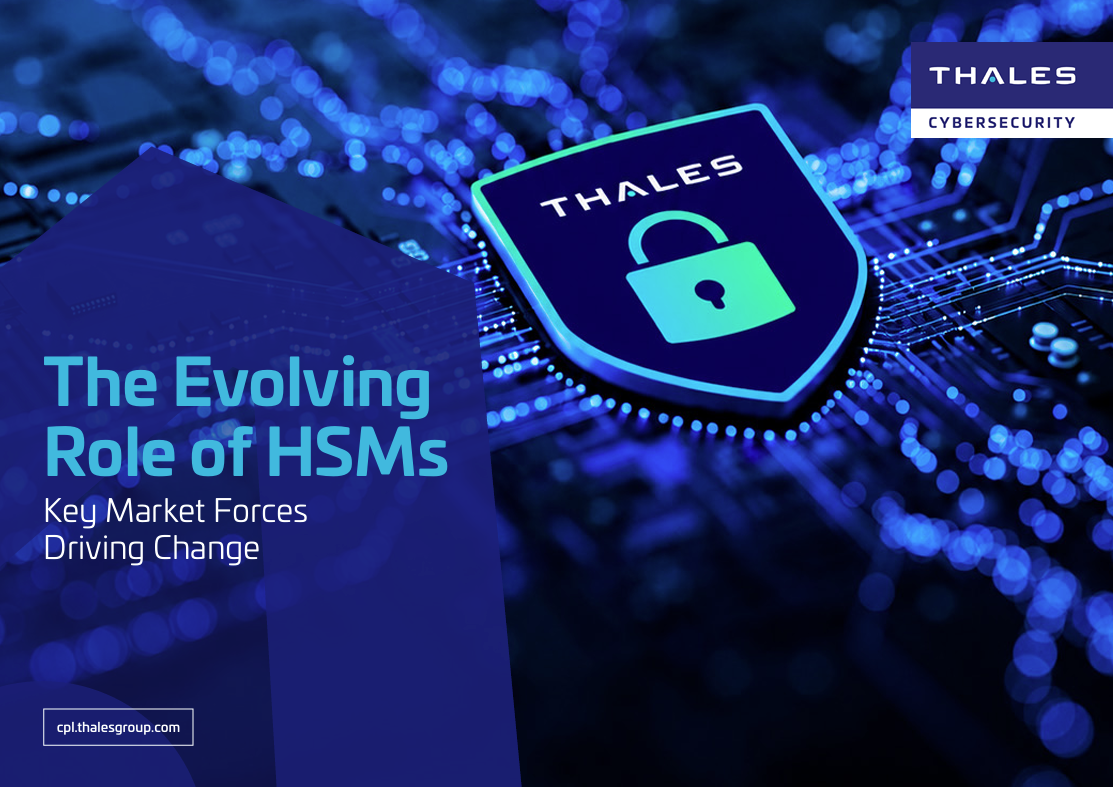
Why HSMs Are Entering a New Era of Digital Trust
Download the ABI Research HSM Market Overview Report
Discover the latest trends shaping the Hardware Security Module (HSM) market, including sovereignty, post-quantum cryptography (PQC), AI security, certification requirements, and global market leadership. Complete the form to access your complimentary copy.
Access the Report
Complete the form to download the ABI Research Hardware Security Modules Market Data Overview: 2Q 2026 report.



Copyright © 2026 Thales. All Rights Reserved